PROGRAMS & PROJECT

Three pillars. Designed for measurable, lasting change.

Every program is built around objectives, beneficiaries, and outcomes — so impact is not a story we tell, but a number we earn.

10M+

Out-of-school children in Nigeria

SDG 4

QUALITY EDUCATION

2026

Programme strategy

Education

Nigeria has one of the world’s largest populations of out-of-school children — over 10 million, with girls and rural children disproportionately affected.

Improve access to quality education through scholarships and bursary support

Distribute school supplies and learning materials

Champion digital skills and technology training, especially in rural communities.

Vulnerable students at primary, secondary and tertiary levels; out-of-school youth; rural learners

Scholarship & Bursary Support

Tuition support for vulnerable students from low-income households.

Learning Materials

Distribution of school supplies and learning materials to students in need.

Digital Skills Training

Computer literacy and technology training for young people in rural communities.

Back-to-School Drives

Annual back-to-school scholarship drives keeping vulnerable students in classrooms.

130M+

Nigerians in poverty

SDG 1 / 8

No Poverty · Decent Work

Women

Priority beneficiaries

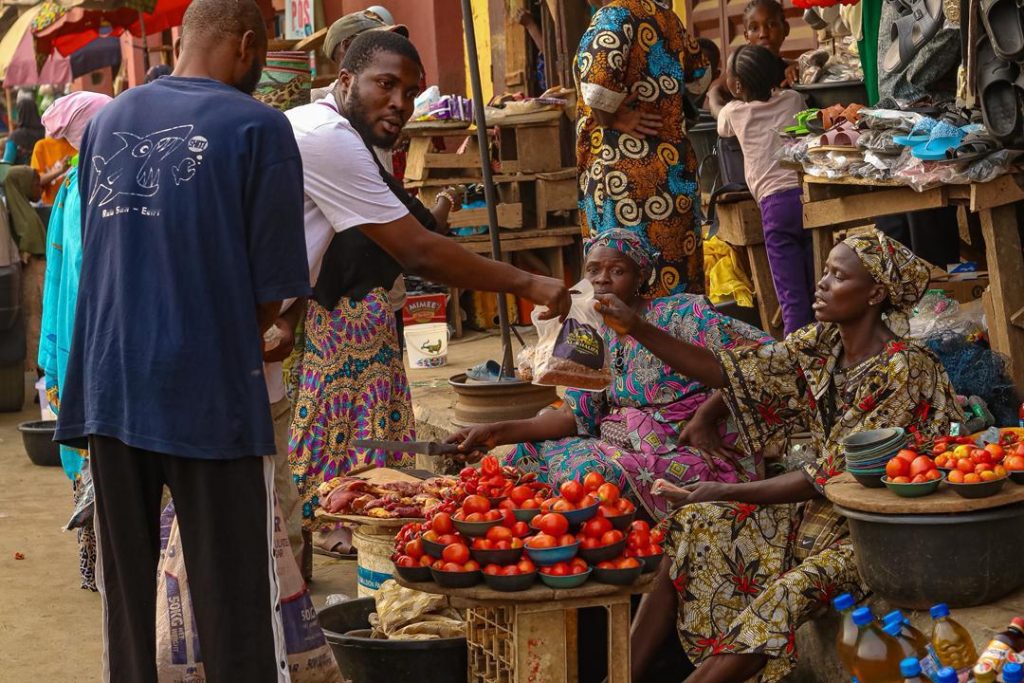
Poverty Alleviation & Economic Empowerment

Over 130 million Nigerians experience multidimensional poverty. Youth unemployment and underemployment remain major concerns; women and rural households are often the most economically vulnerable.
• Build sustainable sources of income for vulnerable individuals and families.
• Strengthen economic resilience and reduce dependence on aid.
• Empower women through skills, microgrants and entrepreneurship support
Women heads of household, unemployed youth, families facing food insecurity.

Vocational & Skills Acquisition

Practical training that opens up real income pathways.

Women Economic Empowerment

Microgrants, mentorship and starter support for women entrepreneurs.

Small Business Support

Capital, tools and guidance for small business owners and aspiring entrepreneurs.

Food Security & Emergency Relief

Food packages and emergency assistance for vulnerable families.
SDG 11

Sustainable Communities

Rural

Priority focus

WASH

Core intervention

Community Development

Millions of Nigerians still lack access to safe drinking water and improved sanitation. Poor infrastructure and limited services affect quality of life in rural and underserved areas.
• Improve access to safe water, sanitation and hygiene (WASH)
• Raise community health awareness
• Provide infrastructure support to underserved communities
Rural and underserved communities, mothers and children, vulnerable households

WASH Projects

Water, sanitation and hygiene interventions for safer, healthier communities.

Community Health Outreach

Health awareness campaigns and medical outreach to underserved areas.

Infrastructure Support

Practical infrastructure initiatives that strengthen community services.

Social Welfare

Support for the most vulnerable members of the community.